One decision. One pledge. Up to eight lives saved. Learn how organ donation works and why it matters.
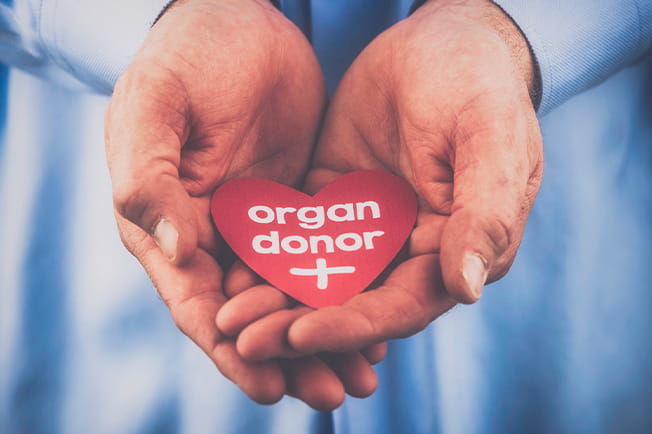
Every day, countless individuals in India wait for a life-saving organ transplant. The gap between the number of organs available and the number of patients waiting is staggering. One single decision — pledging to be an organ donor — can change the lives of up to 8 people.
Organ donation is not just a medical procedure; it's a profound act of humanity and compassion. When you pledge your organs, you leave behind a legacy of hope, love, and generosity that continues to live on through the recipients.
A single organ donor can save up to 8 lives and enhance the lives of over 75 people through tissue donation.
Organ donation in India is strictly regulated by law. The process is transparent, ethical, and respects the dignity of the donor at all times.
Join thousands of Indians who have already pledged. Your decision inspires others and creates a ripple effect of awareness across communities.
Organ donation is the process of surgically removing an organ or tissue from one person (the donor) and placing it in another person (the recipient) whose organ has failed or been damaged by disease or injury. It is a profound act of generosity — giving the ultimate gift of life even after you are gone.
In India, organ donation is regulated by the Transplantation of Human Organs and Tissues Act (THOTA), 1994 and its amendments. The National Organ & Tissue Transplant Organisation (NOTTO) coordinates all organ donation and transplantation activities across the country.
The Thiruporur Marathon 2026 is dedicated to spreading awareness about organ donation — because the first step toward saving lives is education and conversation. When you run with us, you become part of a powerful message that can inspire thousands to pledge.
The heart can be transplanted to patients with end-stage heart failure, giving them a second chance at life.
Both lungs or a single lung can be donated to help patients with conditions like pulmonary fibrosis or cystic fibrosis.
The liver can be split and donated to two recipients — one portion to an adult and one to a child.
Two kidneys can be donated, freeing recipients from years of dialysis and dramatically improving quality of life.
Pancreas donation can help patients with Type 1 diabetes live without insulin injections.
Small intestine donation helps patients who cannot absorb nutrients from food due to intestinal failure.
Cornea donation restores sight to the visually impaired — over 25,000 transplants are performed in India annually.
Bone, skin, tendons, and heart valves can be donated to help burn victims, cancer patients, and injury survivors.
The most common form of organ donation occurs after a person has been declared brain dead (neurological death) or has died due to cardiac death. The donor must have consented to donation, or their family must give consent.
Living donation is possible for certain organs. A living donor can donate one kidney, part of their liver, a lung lobe, or part of the pancreas while remaining healthy themselves. Living donors undergo thorough medical and psychological evaluation.
Becoming an organ donor is a simple process that takes just a few minutes. Here is how you can take this life-changing step:
Go to notto.mohfw.gov.in — India's official organ donation registry — or visit your state's transplant organisation website.
Complete the online pledge form with your personal details and select which organs and tissues you wish to donate.
You will receive a digital donor card. Print it out or keep a copy on your phone. Carry it with you at all times.
Most importantly, tell your family about your decision. Their awareness and consent at the time of donation is crucial.
Join hundreds of runners at Thiruporur Marathon 2026. Every kilometre you run spreads the message of organ donation across Chennai and beyond.